
Plan for post-secondary education
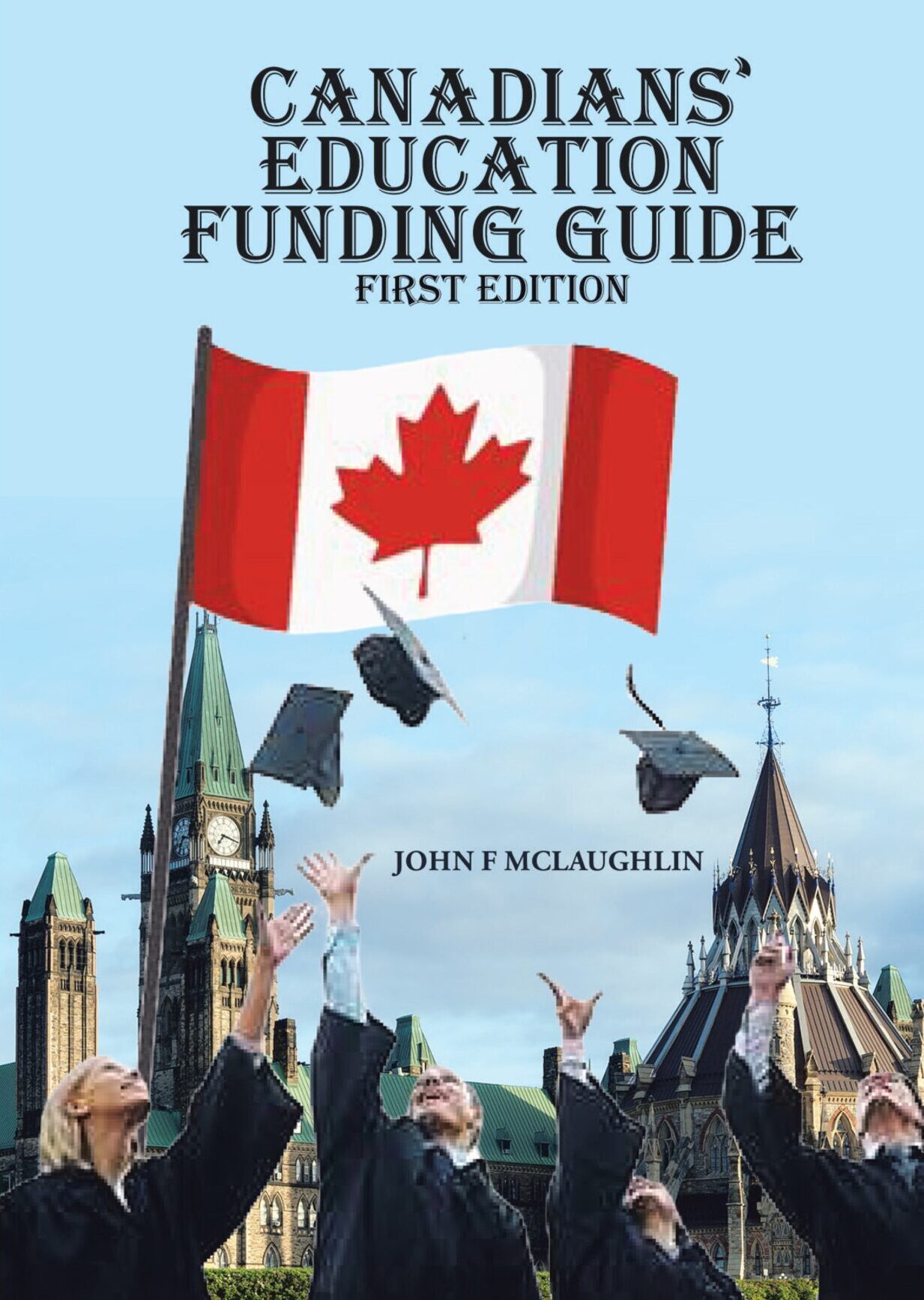
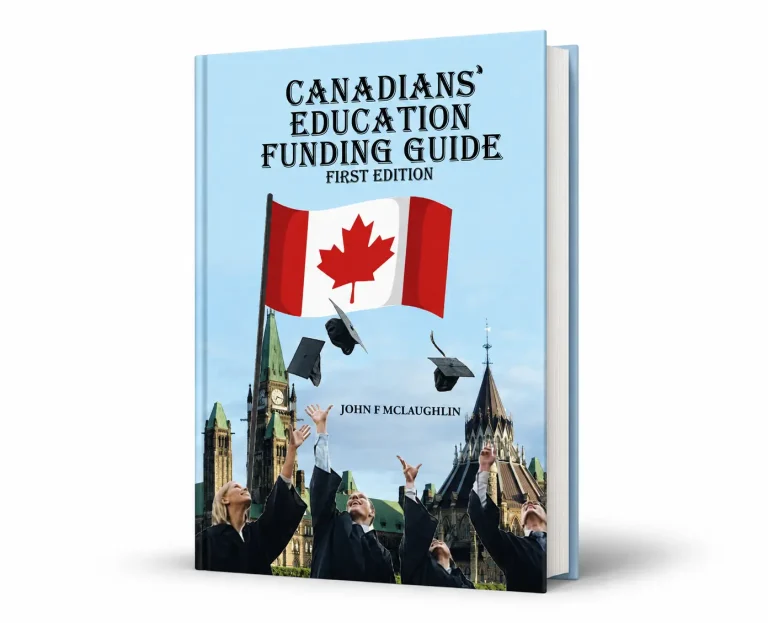
Canadians’ Education Funding Guide
Understand your options. Build your plan. Explore 85 Canadian funding sources, from RESPs and scholarships to grants, loans and lifelong learning.
About the book
One guide. More ways to fund education.
Canadians’ Education Funding Guide contains 85 funding sources with over 700 links to online service providers and resources. This guide includes a DIY Tool kit with user-friendly instructions to create your own Education Funding Plan.
Explore the chapters
- Chapter 1: The Importance of Post-Secondary Education
- Chapter 2: Costs of Post-Secondary Education
- Chapter 3: Income Tax Considerations
- Chapter 4: Creating Your Post-Secondary Education Funding Plan
- Chapter 5: Registered Education Savings Plans
- Chapter 6: Free Money
- Chapter 7: Other Savings Plans
- Chapter 8: Accommodation Alternatives
- Chapter 9: Sources Based on Employment
- Chapter 10: Government Loans and Grants
- Chapter 11: Non – Government Loans
- Chapter 12: Sources Requiring Estate Planning &/or Formal Trusts
- Chapter 13: Lifelong Learning Sources for Adults
- Chapter 14: Financial Aid for Indigenous People
- Chapter 15: Financial Aid for People with Disabilities
- Chapter 16: Quebec Differences
- Chapter 17: Quintin’s Education Funding Plan
- Chapter 18: Tool Kit to Create Your PSE Funding Plan
Appendices and reference material in the guide
- Appendix A1—Glossary of Stakeholder Terms
- Appendix A2 —Glossary of Financial Terms
- Appendix I – Funding Sources for Low-Income Families
- List of Other Appendices
- References
- Acknowledgements
- Acronyms and Subject Index
- Abbreviations Used in this Guide
- Marketing Canadians’ Guide to Education Funding
Read a sample
A closer look at a funding source
Funding source 17
Government-funded in-trust accounts
An in-trust account is an account established at a financial institution to manage another person’s assets. Use this informal trust to save money for education. The “trustee,” typically donor parent, manages the assets and you do not turn over the account to the child until they reach eighteen. CRA attributes taxable income from investments to you, the parents, except funds from government’s Canada Child Benefit (CCB), and inheritances and gifts not from parents.
Canada Child Benefit - Payment Amounts
The CRA administers CCB’s monthly payments to eligible families to help with costs of raising children under eighteen. CRA adjusts payments annually, every July, based on previous tax returns. For the period, July, 2026 to June, 2027, families receive up to:[69]:
- $8,157 per year ($679.75 per month) in CCB per child under six.
- $6,883 per year ($573.58 per month) in CCB per child aged six to seventeen.
Actual CCB payments entail a complex formula based on:
- Adjusted family net income from previous year.
- Number and age of your children and If applicable, child disability benefits.
- Marital status and custody of children.
- Province you reside in, since some provinces provide a top-up to the federal amount
Use CRA’s online child and family benefits calculator to estimate payments you should receive. [70]
Types
Two types of in-trust accounts are:
- Funded exclusively with Canada Child Benefit (CCB) payments
- Funded with CCB payments and/or inheritances and/or gifts not from the parents.
Tax Status
Parents and student split first-and-second generation income and capital gains.
Key Benefits
Long-term growth
Risk management
Coordination
Debt management
Flexibility
Family relationships.
Parent Eligibility [71]
Parent Eligibility [71]
At least one parent must be one of:
- Canadian citizen or permanent resident.
- Temporary resident who lived in Canada for previous eighteen months.
- Protected person.
- Indigenous person.
CCB payments stop when one of the following happens:
- The child reaches eighteen.
- The child ceases to live with parent.
- The child dies.
- The parent moves out of Canada.
Primary Demographic Applicability
Parents for dependents.
Process for Parents
- Open an In-trust account at your bank for each child (you’ll need their social insurance numbers).
- Deposit CCB cheques into the account(s). If you have several children, divide cheque amongst accounts.
- Do not mix other money into these accounts except for money belonging to the child, and not from you.
- When sufficient funds accumulate, invest them, based on professional advice if needed.
- Annually, your bank sends you a T4 slip for each in-trust account. Submit a letter with your tax return, attributing income earned from “in-trust” investments to your children.
Increasing CCB Received
Saving for retirement and your children’s education may complement each other by following this strategy:
- Contribute an amount to your Registered Retirement Savings Plan or Registered Pension Plan, which
reduces your net income and reduces your income tax. - The Government adjusts CCB amount(s) annually, based on your latest income tax. If your contribution moves you to a lower tax bracket, the government increases your CCB amounts for every eligible child.
- When you receive increased CCB payments, deposit the incremental amount in the child’s trust account.
- Alternatively or in combination, you could deposit any income tax rebate into the trust account.
Resources
- CCB at www.canada.ca/en/revenue-agency/services/child-family-benefits/canada-child-benefit.html
- Provincial Programs at www.canada.ca/en/revenue-agency/services/child-family-benefits/provincial-territorial-programs.html
AB www.alberta.ca/alberta-child-and-family-benefit
BC www.gov.bc.ca/gov/content/family-social-supports/affordability/family-benefit
NB www2.gnb.ca/content/gnb/en/departments/finance/taxes/child_tax_benefit.html
NL www.gov.nl.ca/fin/tax-programs-incentives/personal/nlchildbenefit/
NT www.fin.gov.nt.ca/en/services/licences-taxes-and-fees/nwt-child-benefit
NS novascotia.ca/coms/families/ChildBenefit.html
NU www.gov.nu.ca/en/social-supports/nunavut-child-benefit-nucb
ON www.ontario.ca/page/ontario-child-benefit
QC www.retraitequebec.gouv.qc.ca/en/programs/family-allowance-measure/family-allowance-payment/amounts-payment
YT yukon.ca/en/yukon-income-tax
Put your plan together
Your DIY education funding toolkit
Our guide provides you with all the information you need and a user-friendly DIY Tool Kit with instructions, to create your own education funding plan, starting with assessing needs.
- Tool 1: Inventory of DIY Tools and Use
- Tool 2: Student Profile
- Tool 3: Selected Chapters and Funding Sources
- Tool 4: Current Living at Home Expenses, (Year)
- Tool 5: Current Living on Own Expenses, (Year)
- Tool 6: Current Costs For (Academic Program, Location, Year)
- Tool 7: Key Assumptions for Forecasting
- Tool 8: Forecast Costs for (Academic Program, Location, Years)
- Tool 9: Forecast of Proceeds from New RESP
- Tool 10: Forecast of Proceeds from Existing RESP
- Tool 11: Estimate of Earnings from Summer Work (Years)
- Tool 12: Estimate of Earnings from Part-Time Work (Years)
- Tool 13: Estimate of Savings by Start of Post-Secondary Education
- Tool 14: Checklist for Year 1 Scholarships and Bursaries
- Tool 15: Forecast of Year 1 Scholarships and Bursary Revenue
- Tool 16: Estimate of Canada Student Loan (CSL)
- Tool 17: Provincial Student Aid
- Tool 18: All Revenues and Expenses by Year (Years)
- Tool 19: Debt Repayment Plan
- Tool 20: Risk Mitigation Action Plan
These twenty planning tools are part of the guide’s DIY toolkit.
Keep useful resources close
Twelve appendices to explore
Explore the guide’s appendices, including scholarship sources, financial institutions, tax considerations and RESP modelling.
Take the next step
Start with the guide
Choose the format that suits you and follow the book’s retailer links to Amazon Canada.
See other retailers and purchase options
You can also ask your library to order the guide. ISBN: 9781834387697.